

Commentary
Elina Noor
{
  "authors": [
    "Elina Noor"
  ],
  "type": "commentary",
  "centerAffiliationAll": "",
  "centers": [
    "Carnegie Endowment for International Peace",
    "Carnegie China"
  ],
  "collections": [
    "Carnegie China Commentaries"
  ],
  "englishNewsletterAll": "",
  "nonEnglishNewsletterAll": "",
  "primaryCenter": "Carnegie China",
  "programAffiliation": "",
  "programs": [],
  "projects": [],
  "regions": [
    "Southeast Asia",
    "China",
    "United States"
  ],
  "topics": [
    "Foreign Policy"
  ]
}
Source: Getty
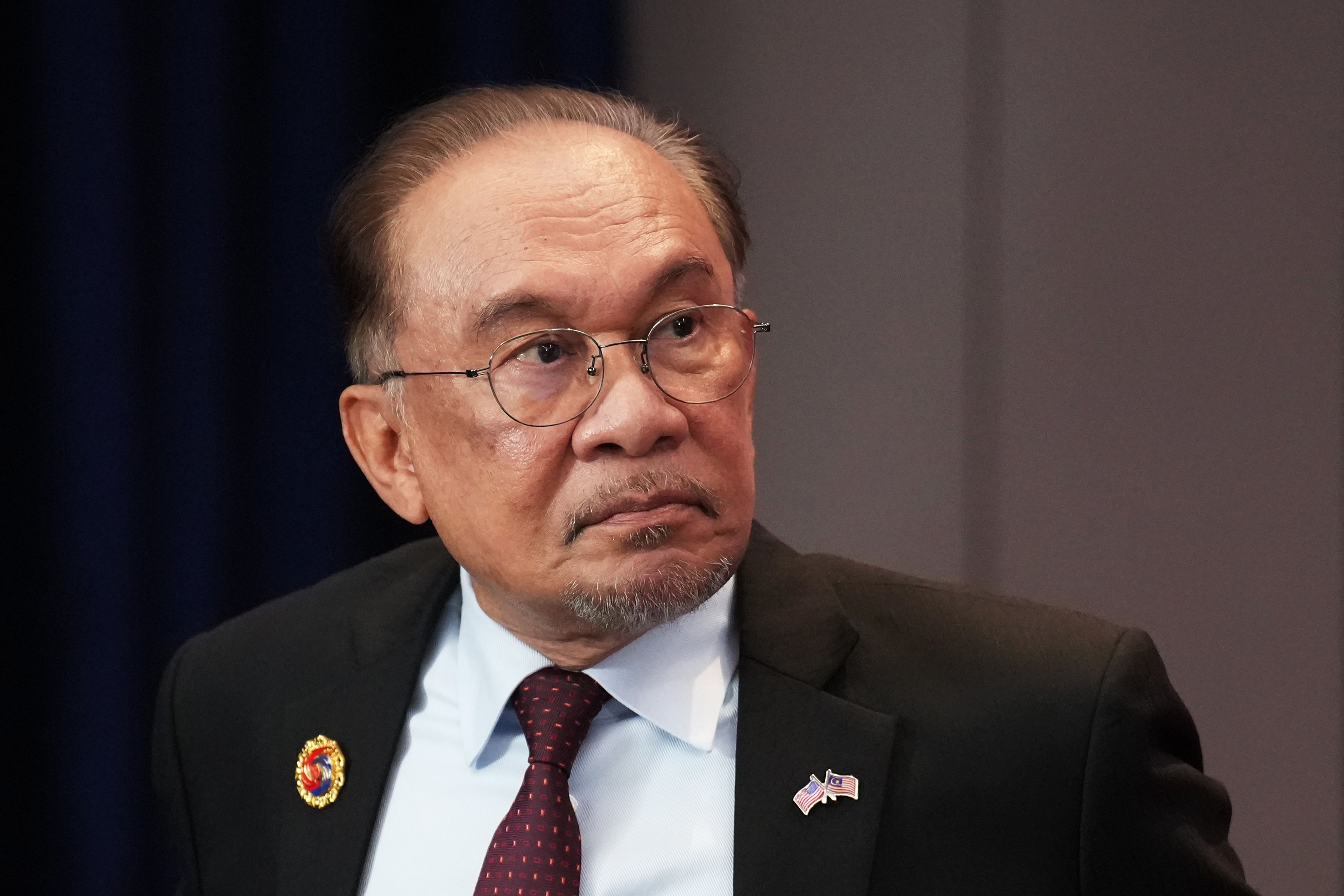
For Malaysia, the conjunction that works is “and” not “or” when it comes to the United States and China.
This publication is a product of Carnegie China. For more work by Carnegie China, click here.
Over the last few months, whispers of Malaysia tilting toward China has gained steam. But that confuses Prime Minister Anwar Ibrahim’s public overtures with what remains a consistent posture. In a world seemingly preoccupied with “you’re either with us or against us,” Malaysia remains staunchly nonpartisan.
For Malaysia, the conjunction that works is “and” not “or” when it comes to the United States and China. That binary is an external construct that best serves the interests of those drawing that blunt distinction but does nothing for Malaysia. Instead, it subsumes the country’s priorities into the agenda of others; derogates the nation as an inconsequential player; and forces it into difficult, reactive decisions.
The reality is that China has been Malaysia’s largest trading partner for nearly two decades, while the United States has largely retained its position as a top source of foreign direct investment for Malaysia. Therefore, when it comes to diplomacy, both countries get VIP treatment.
For example, while Anwar spoke glowingly of Malaysia’s enduring bilateral ties with China at a dinner he hosted for President Xi Jinping in April, he also threw an exceptional song-and-dance welcome for President Donald Trump when Air Force One touched down for the ASEAN summits in October.
According to Anwar, Xi even credited Malaysia for contributing to an easier negotiation between the United States and China at the Asia-Pacific Economic Cooperation meeting in South Korea because Trump was “happy” and “calm” after his “transformative” stop in Kuala Lumpur.
But critics have also pointed to a 2024 joint statement by Beijing and Putrajaya—the seat of the Malaysian government—that seemingly hewed closely to Beijing’s preferred position on Taiwan. In the statement, Malaysia recognized Taiwan as an “inalienable territory of the People’s Republic of China” and committed to “not support any call for the independence of Taiwan.” By contrast, previous joint statements in 2016 and 2018 only contained brief mentions of Malaysia’s adherence to the One China policy.
Coming at a time of tense cross-strait relations, the statement unsurprisingly drew the ire of Taipei. But a closer reading of the language shows that Putrajaya was simply restating Malaysia’s position from half a century ago. That position was articulated in paragraph 3 of the 1974 joint communique normalizing relations between China and Malaysia, which “acknowledges the position of the Chinese Government that Taiwan is an inalienable part of the territory of the People’s Republic of China.”
Finally, Malaysia has also been criticized for apparent accommodation of China when it comes to South China Sea spats. Despite Chinese harassment of Malaysia’s oil and gas exploration in the latter’s exclusive economic zone (EEZ) and Beijing’s release of the “China Standard Map Edition 2023” that revived its 10-dash line claim, Anwar has repeatedly expressed confidence in Beijing’s assurances that China will not “resort to any aggressive action or violence.”
Accommodation may be a dirty word in Washington, DC, but it is a mistake to perceive Malaysia’s actions in such a light. Putrajaya prefers quiet, firm diplomacy over megaphone diplomacy on the South China Sea issue because such an approach preserves crucial maneuvering space, especially when tensions flare. So, don’t expect more than occasional public criticism of Beijing’s actions in Malaysia. Behind the scenes, however, Malaysia has sent frequent diplomatic protest notes to China and has refused to yield to its demands in Malaysia’s EEZ, which Putrajaya considers uncontested.
Detractors of Malaysia’s approach to China tend to hold the assumption that the United States occupies the moral high ground by virtue of its values and political system. This view is not shared in Malaysia. Rather, it is clear neither power will shy away from exercising dominance in its own interests. If Beijing made it clear to ASEAN countries that “China is a big country and other countries are small countries,” Washington has equally shown that it is more than willing to compel other countries to “kiss [its] ass” to make a deal.
For Putrajaya, leaning too far in favor of either power also exacts a domestic political price. Although Chinese Foreign Minister Wang Yi presided over the initial ceasefire between Cambodia and Thailand at the July ASEAN foreign ministers meeting in Kuala Lumpur, China was noticeably absent during the signing ceremony of the KL Peace Accord in October. Instead, it was Trump who was front and center at the event, amid earlier reports of the White House specifically requesting the exclusion of Chinese officials from the ceremony.
Even more damaging to Anwar was the government’s agreement on reciprocal trade (ART) with the United States, which seemed anything but reciprocal to the Malaysian public. Despite the government’s attempts to rationalize the agreement, it couldn’t pass muster in the court of public opinion. The country’s former attorney-general scathingly called it the worst agreement since independence, undermining national sovereignty and binding the country’s interests to that of Washington’s whims.
As of early December, about 140 police reports were lodged about the ART and the deal remains under parliamentary scrutiny at the time of writing. In addition, given the size and nature of China-Malaysia trade, Putrajaya has had to explain its position on the ART to Beijing to allay concerns.
Ultimately, Malaysia is neither tilting one way or the other but navigating power in a world that increasingly demands allegiance. The real question is not whether Anwar is “pro-China” but why many are uncomfortable with the idea that Malaysia should say no to binaries and mean it.

Nonresident Scholar, Asia Program
Elina Noor is a nonresident scholar in the Asia Program at Carnegie where she focuses on developments in Southeast Asia, particularly the impact and implications of technology in reshaping power dynamics, governance, and nation-building in the region.
Recent Work
Elina Noor
Elina Noor
Carnegie does not take institutional positions on public policy issues; the views represented herein are those of the author(s) and do not necessarily reflect the views of Carnegie, its staff, or its trustees.
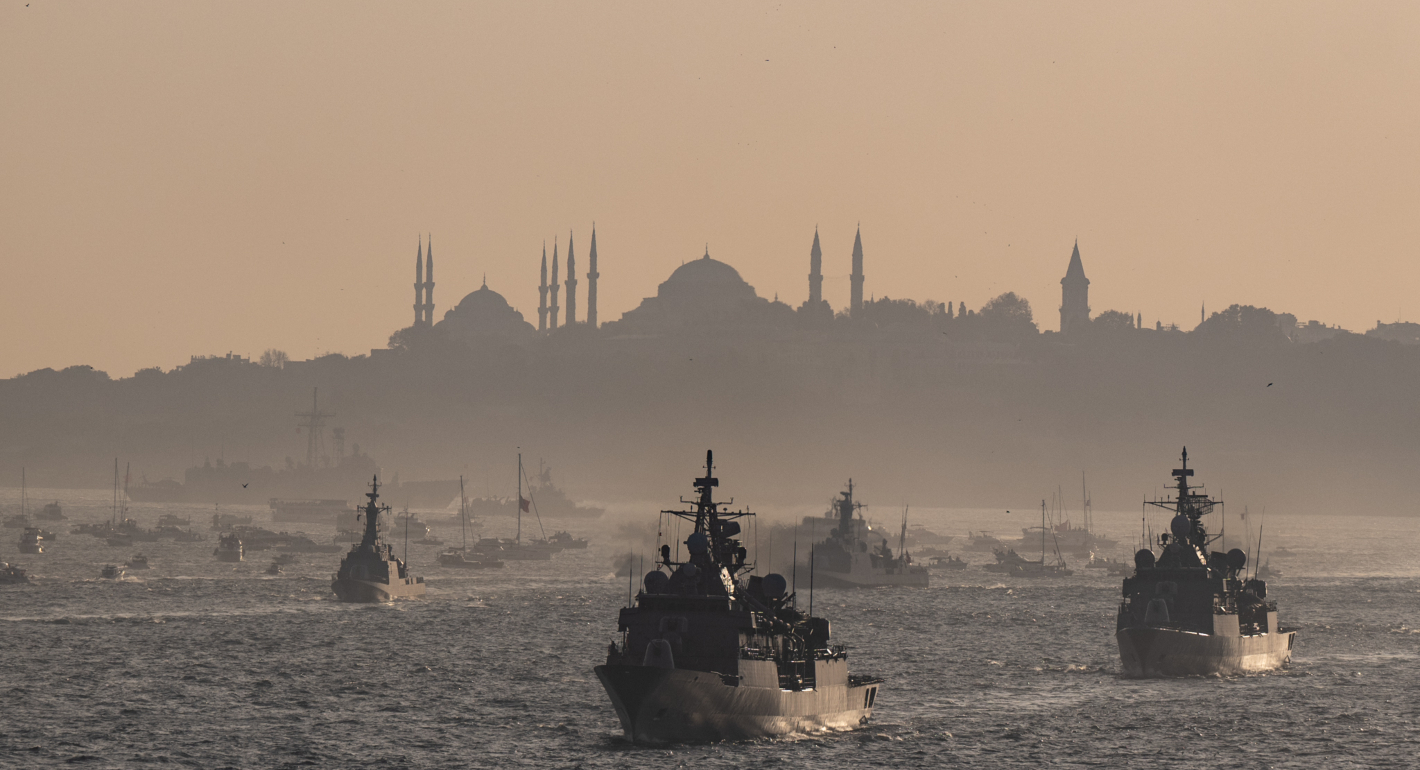
For ninety years, Turkey has been positioned as the principal gatekeeper of Black Sea security. As a result, European and NATO efforts to support Ukraine will require closer engagement with Ankara.

Thomas de Waal

Western Europe’s dual-use infrastructure melted down during its latest heat wave. If a predicted hot weather event can take the continent by surprise, what chance does it have to withstand unexpected geopolitical crises?

Rym Momtaz
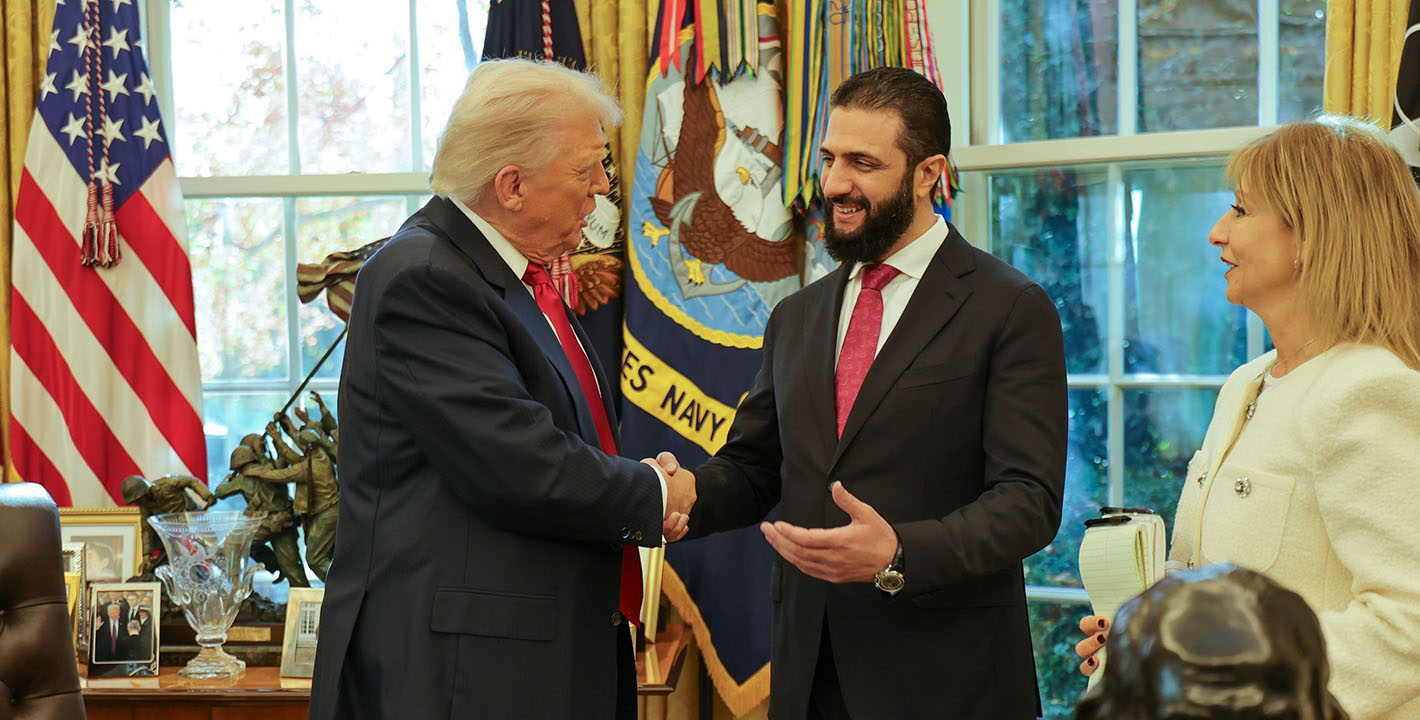
Any move by the United States to make good on Trump’s suggestion that Washington persuade Damascus to confront Hezbollah militarily would have catastrophic consequences.

Kheder Khaddour
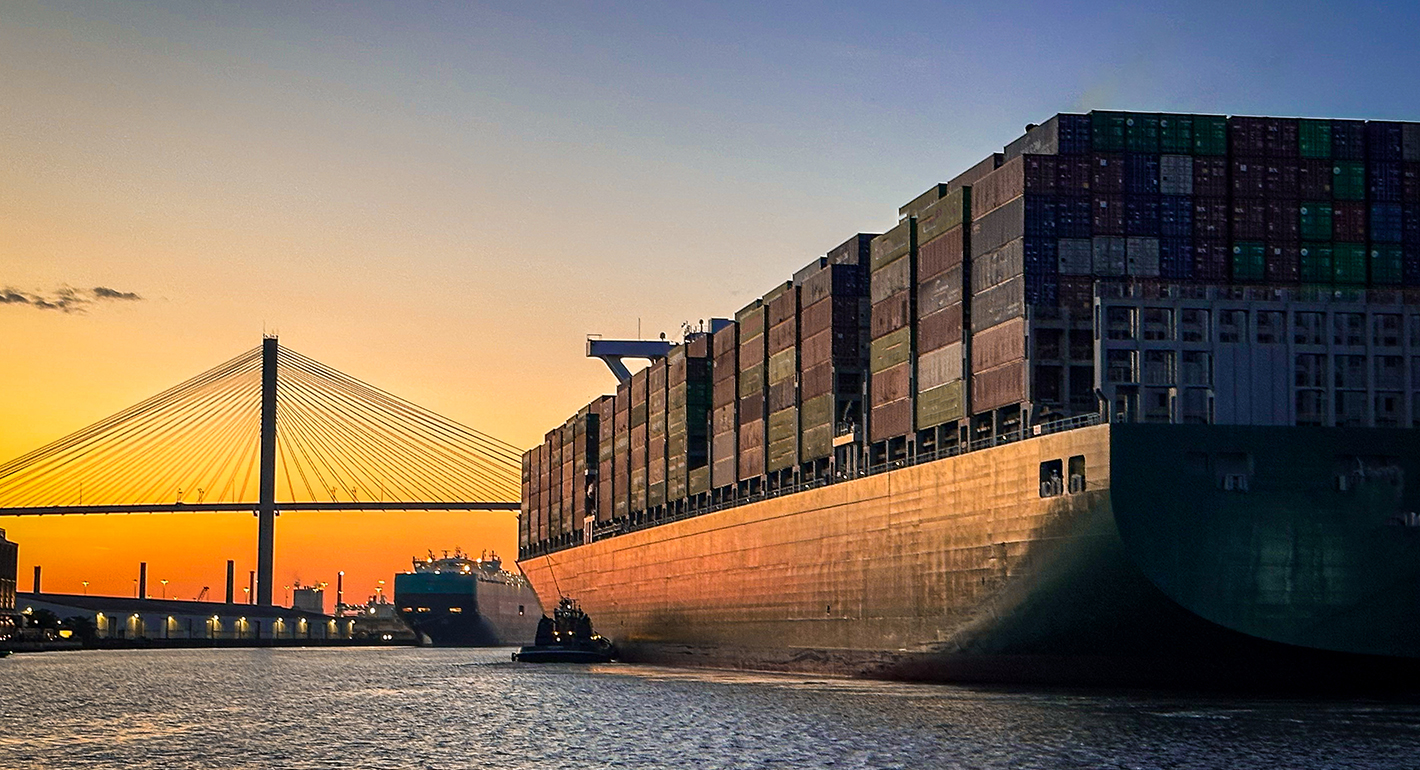
The future of American economic power will be determined by the interplay between Trump’s ambitions and the global backlash against them, as well as economic developments outside the direct control of the government, such as advances in AI.

Peter Harrell

A review of a detailed account of how antipathy toward Tehran has assumed a life and logic of its own in Washington, DC.

Jane Darby Menton